


As businesses increasingly focus on operational efficiency, workplace quality, and environmental responsibility, developing a green office is no longer simply about creating an attractive design. It is a comprehensive challenge: how resources are used, how environmental impacts can be reduced, and how to create a better space for its occupants.
In Hanoi, the Office Lease Expansion of Petrolimex Aviation Fuel JSC project is an example of this approach. Covering 1,387 m² on the 7th floor of Mipec Building, 229 Tay Son Street, the project was developed within an existing building and achieved LEED v4 ID+C: CI – Gold certification.
What makes the project particularly noteworthy is not only its Gold rating, but also how goals related to energy, water, transportation, indoor environmental quality, and occupant health have been integrated into every aspect of the office space.
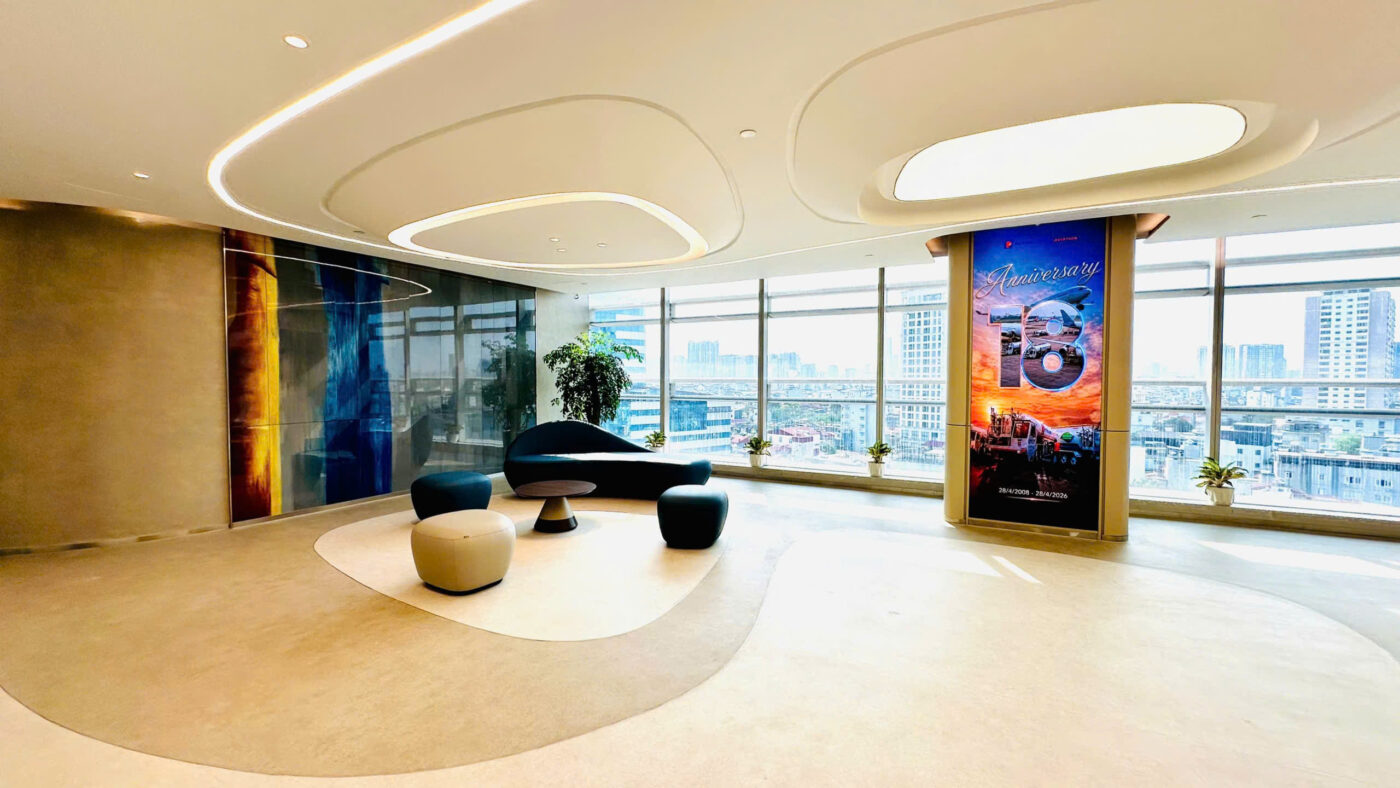
FROM AN EXISTING BUILDING TO A MORE EFFICIENT WORKSPACE
Renovating an office space within an existing building presents a different set of challenges from new construction. Rather than starting with an entirely new floor plan, the project must make use of existing conditions while finding ways to improve resource efficiency and indoor environmental quality.
For the Office Lease Expansion of Petrolimex Aviation Fuel JSC, this approach is reflected from the outset in the project’s consideration of location and transportation.
Located in a high-density urban area, the office provides convenient access to a wide range of surrounding amenities, helping reduce the need for long-distance travel during the day. Access to various forms of public transportation also encourages more sustainable modes of travel.
Notably, the parking capacity was reduced by 80.7%, helping reduce reliance on private vehicles. This is significant not only from a transportation perspective but also in terms of reducing the building’s overall environmental impact.
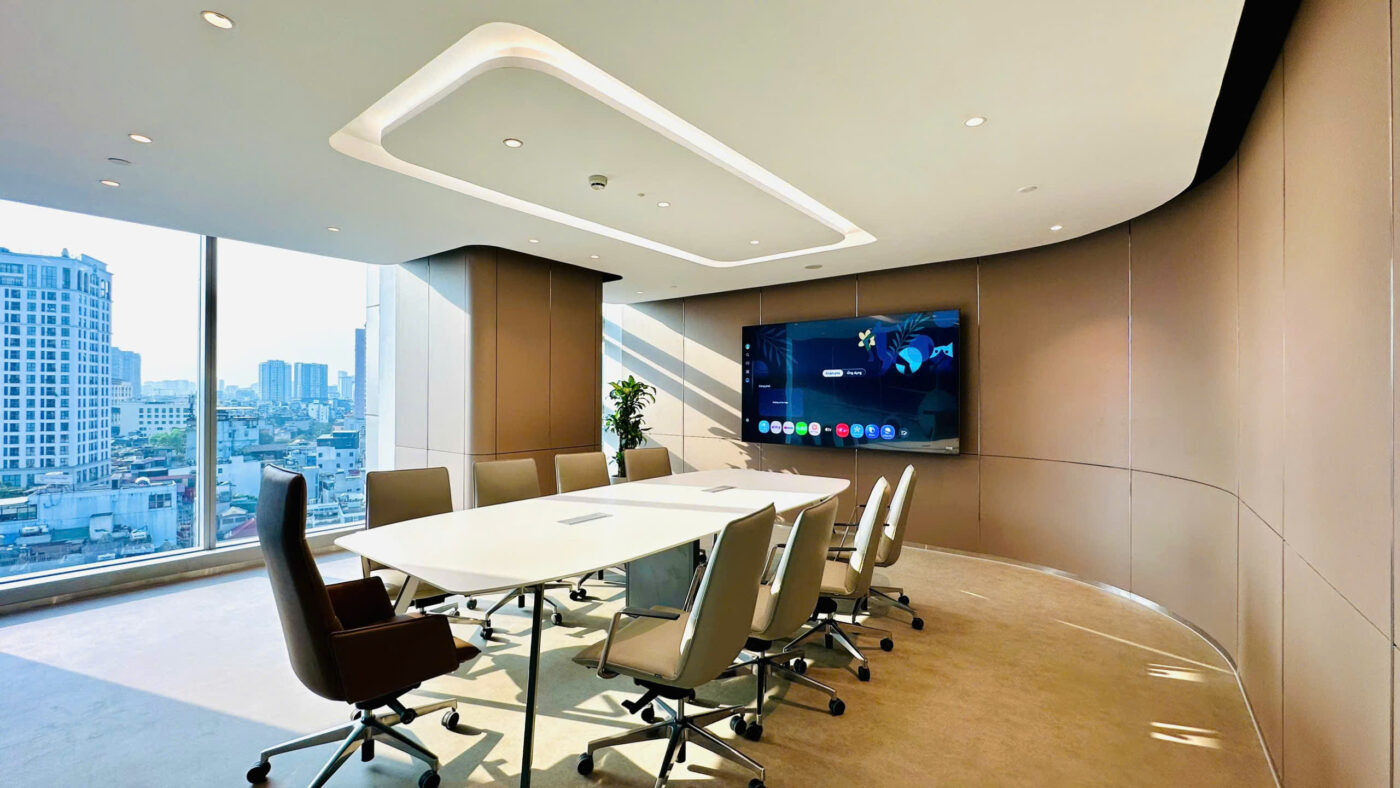
RESOURCE EFFICIENCY MEASURED THROUGH DATA
One of the key values of LEED is its ability to translate “green” objectives into measurable performance indicators.
At the project, water-efficient solutions helped reduce indoor water consumption by 45.73% compared to the LEED baseline.
In addition, according to the LEED energy simulation, the project’s design resulted in a 15.8% reduction in energy costs compared to the reference building. The corresponding 15.8% reduction in greenhouse gas emissions, as calculated through the LEED simulation, further demonstrates the direct connection between energy efficiency and environmental impact reduction.
These figures demonstrate that developing a green office is not simply about selecting a few high-efficiency products or systems. Rather, it is the result of an integrated approach that considers energy, water, equipment, operations, and the way the space is used.
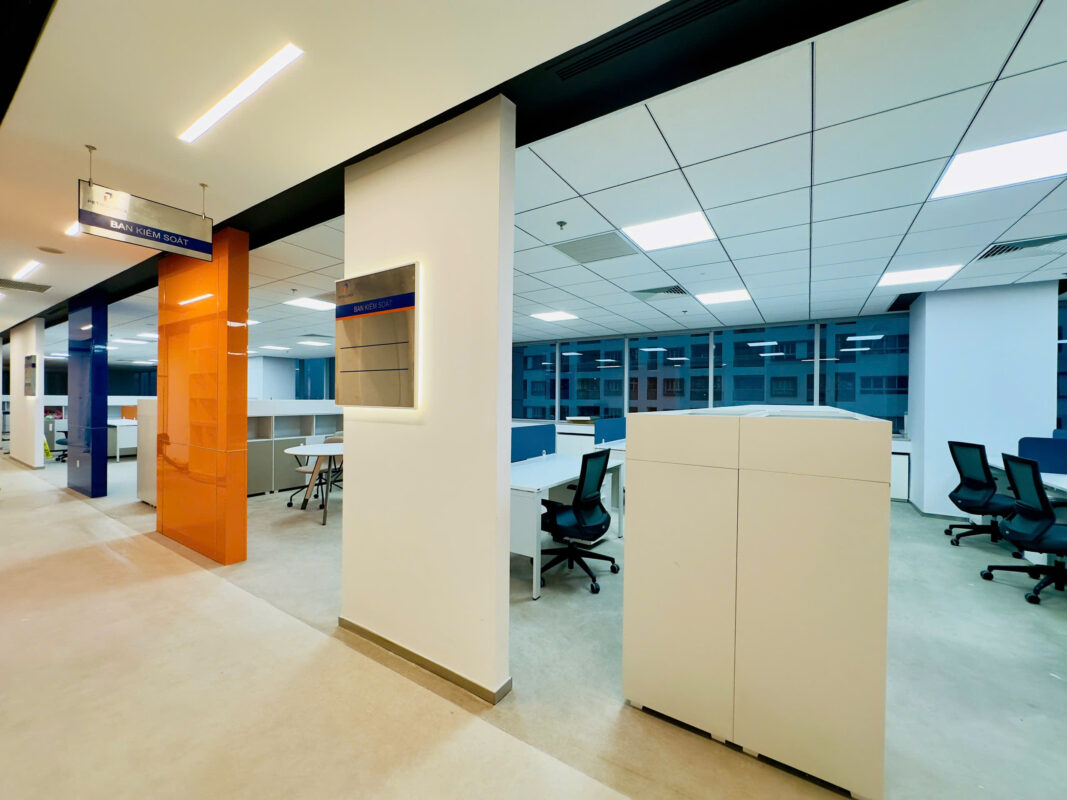
WHEN GREEN DESIGN PUTS PEOPLE FIRST
At the Office Lease Expansion of Petrolimex Aviation Fuel JSC, indoor environmental quality was addressed through a range of strategies.
The workspace meets the requirements for ventilation and indoor air quality in accordance with ASHRAE 62.1-2010. Strategies to enhance fresh air supply and control indoor air quality contribute to creating a healthier working environment.
The project also implemented a smoking control policy and placed particular emphasis on maintaining indoor air quality during the construction phase to minimize dust and other factors that could adversely affect the indoor environment.
According to the LEED simulation results, 80.18% of the assessed area meets the requirements for daylighting. Maximizing the use of natural daylight helps create a brighter and more comfortable working environment while supporting a reduction in the need for artificial lighting under appropriate conditions.
At the same time, 76.91% of the assessed area meets the criteria for quality views, strengthening the connection between occupants and the surrounding outdoor environment.
This reflects an important principle in green building design: the performance of a space should not be measured solely by its energy consumption, but also by the quality of the occupant experience and human well-being.
The Office Lease Expansion of Petrolimex Aviation Fuel JSC demonstrates how an office space renovated within an existing building can integrate objectives related to resource efficiency, environmental performance, and human health into a single, comprehensive sustainability strategy.